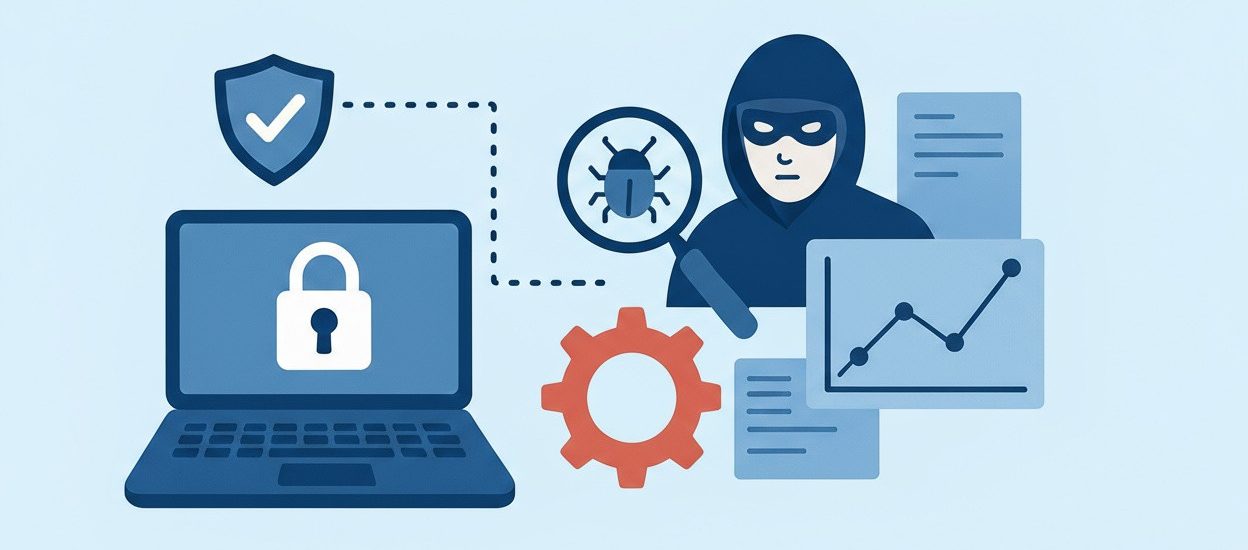
Why Continuous Security Testing Is the Key to Business Resilience
In today’s digital-first world, businesses rely heavily on technology for operations, communication, and customer engagement. With this reliance comes the growing risk of cyber threats from ransomware to phishing attacks, vulnerabilities can disrupt operations, compromise data, and damage reputations. One of the most effective ways to safeguard your organization is through continuous security testing.
What Is Continuous Security Testing?
Continuous security testing is the practice of regularly and systematically assessing your systems, applications, and networks for vulnerabilities, rather than performing one-off or periodic security checks. It ensures that security remains proactive, adaptive, and integrated into the entire software development lifecycle (SDLC).
Unlike traditional security audits, which might occur annually or quarterly, continuous testing keeps pace with rapid business changes and evolving cyber threats.
Why One-Time Security Checks Are Not Enough
Rapidly Evolving Threats: Cyber attackers continuously develop new techniques. A vulnerability missed today could be exploited tomorrow. Frequent System Changes: Businesses often update software, deploy new applications, or migrate to the cloud. Each change introduces potential risks. Compliance Requirements: Regulations such as GDPR, ISO 27001, and PCI-DSS require ongoing monitoring and risk mitigation.
Relying on occasional security audits is like locking your front door but leaving your back door open attackers will find a way in.
Key Benefits of Continuous Security Testing
1. Proactive Threat Detection Continuous monitoring identifies vulnerabilities before they are exploited, reducing the risk of costly breaches.
2. Reduced Business Downtime By fixing security gaps promptly, businesses minimize disruptions and maintain operational continuity.
3. Improved Compliance Ongoing testing ensures that your organization meets regulatory standards, avoiding penalties and reputational damage.
4. Enhanced Customer Trust Customers and partners are more likely to trust businesses that demonstrate a commitment to security and resilience.
5. Cost Efficiency Early detection and remediation of vulnerabilities prevent expensive post-breach recovery costs.
Types of Continuous Security Testing
Automated Vulnerability Scanning – Regular scanning of systems and networks for known vulnerabilities.
Penetration Testing – Simulated attacks to identify weaknesses in real-world scenarios.
Code Analysis – Checking software code for security flaws before deployment.
Configuration and Compliance Checks – Ensuring systems adhere to security standards and best practices.
Implementing Continuous Security Testing in Your Organization
1. Integrate Security Into DevOps: Security should be embedded from development to deployment, rather than treated as an after thought.
2. Automate Testing Processes Automation tools can scan applications, networks, and endpoints continuously, allowing teams to focus on remediation.
3. Prioritize Critical Assets Focus on protecting your most valuable digital assets, such as customer data, financial systems, and proprietary code.
4. Regularly Update Security Policies Policies must evolve alongside technology and emerging threats. Continuous testing helps validate these policies.
5. Train Your Teams Human error is a top cause of breaches. Educate employees on security best practices and the importance of reporting anomalies.
Case Example: Avoiding a Potential Breach
Imagine a company deploying a new web application without continuous security testing. A week later, a vulnerability is exploited by attackers, resulting in data loss and service downtime.
Had continuous security testing been implemented, the vulnerability would have been detected during early testing phases, patched proactively, and the business would have remained resilient.
Building a Resilient Business Through Continuous Security Testing
In an era where cyber threats are constant and sophisticated, businesses can no longer afford to treat security as a one-time exercise. Continuous security testing empowers organizations to stay ahead of threats, maintain operational continuity, and safeguard customer trust.
By embedding security into your operations, leveraging automation, and fostering a culture of vigilance, your business can achieve true resilience — turning potential vulnerabilities into competitive advantages.
Begin Your Security Testing Journey
Ready to safeguard your organization with continuous security testing? Contact DigitoWork today and strengthen your business resilience. Don’t wait for a cyberattack to expose vulnerabilities in your systems. Continuous security testing is the key to safeguarding your business, maintaining operational continuity, and protecting customer trust. At DigitoWork, we provide expert penetration testing, vulnerability assessments, and IT asset management services to help your organization stay resilient against evolving threats. Contact us today to strengthen your security posture and build a future-proof strategy that keeps your business safe, compliant, and ready to thrive.
Dinesh Mehn is the Founder and CEO of DigitoWork, specializing in IT Asset Management, IT Security, and cost optimization. A Certified Master Black Belt and former GE professional, he assists IT teams in enhancing efficiency and security. DigitoWork has been awarded the prestigious ISO 17025 certification for its IT Security Testing Lab, becoming the FIRST company in Telangana to achieve this milestone. This recognition reinforces DigitoWork's commitment to delivering IT Security Testing, Vulnerability Assessment & Penetration Testing (VAPT), Ethical Hacking, Red Team, Exploitation Testing solutions to organizations that need to improve Application Security Posture.